Who is Lindsay Partin? An Overview of the Case
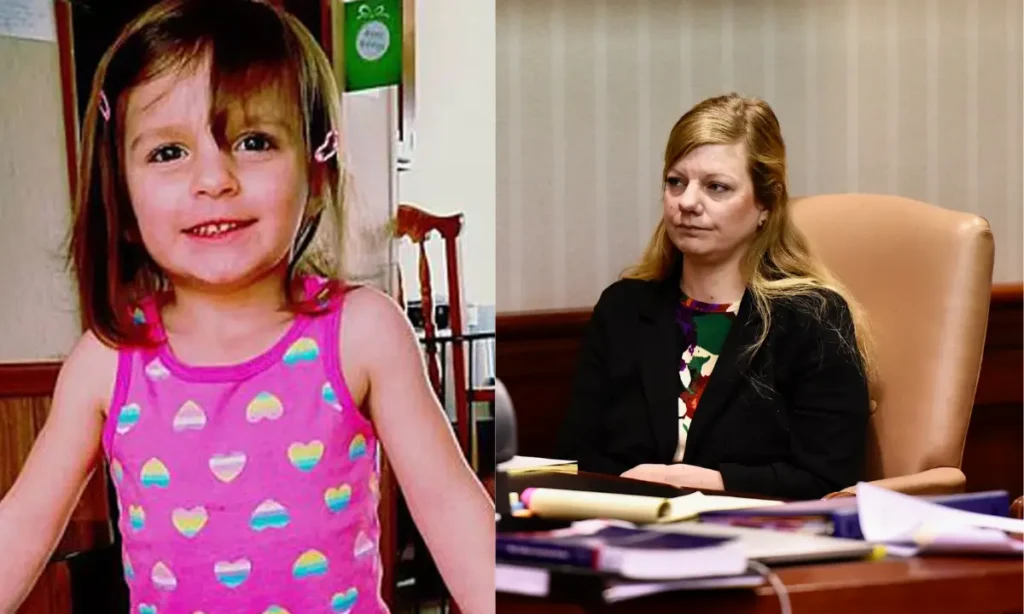
Lindsay Partin is an Ohio‑based babysitter who was convicted in 2019 for the fatal assault of three‑year‑old Hannah Wesche while the child was in her care at her Hanover Township home in Butler County, Ohio. The case became a national true crime investigation because the case involved a defenseless victim and a registered caregiver who killed his trustful young charge and the court showed his severe physical wounds.
Partin was working as Hannah’s babysitter when the incident occurred in March 2018, and her actions that day led to a cascade of criminal charges, a high‑profile trial, and a life‑without‑immediate‑freedom sentence. The case not only raised questions about individual accountability but also sparked broader discussions about how society monitors informal childcare and protects young children left in private homes.
The Charges Explained: Understanding the Legal Proceedings
Lindsay Partin was initially indicted on a multi‑count indictment that included murder, involuntary manslaughter, and four counts of felony child endangering. Prosecutors argued that she violently assaulted Hannah Wesche, causing a fatal traumatic brain injury, and therefore bore full criminal responsibility for the child’s death.
The “murder” charge required the state to prove beyond a reasonable doubt that Partin caused Hannah’s death with either purpose or a reckless disregard for human life, while the “involuntary manslaughter” count reflected an unintentional killing arising from unlawful conduct. The four child‑endangerment counts were tied to alleged patterns of physical abuse and failure to protect Hannah, underscoring the prosecution’s narrative of a caregiver who repeatedly crossed the line from discipline to violence.
Lindsay Partin – Biography (Personal Details at a Glance)
Lindsay Partin’s Background: Life Before the 2018 Incident
The data set which you use for your training extends until the month of October in the year 2023. The period before 2018 saw Lindsay Partin recognized by local people as a woman who worked in her 30sand provided babysitting services to multiple families living in Butler County, which included the parents of Hannah Wesche. Public records and trial documents show her as a 35-year-old woman who faced charges because she operated her family home as an unlicensed childcare service instead of running a licensed daycare center.
The media reports presented a story about Partin which showed that she had experienced a miscarriage shortly before the defense attorneys attempted to establish psychological stress as a key element of their case during the trial. The prosecutors presented this information to show that the defendant, who faced extreme stress during the situation, could not use her stress levels to defend her actions when she killed the three-year-old who resided in her custody.
The Incident: A Detailed Timeline of March 2018
On or around March 8, 2018, Hannah Wesche was dropped off at Lindsay Partin’s home for childcare in Hanover Township, Butler County, Ohio. Court and news reports indicate that later that day, Hannah was found unresponsive in Partin’s home, at which point she was rushed to a hospital with severe head and upper‑body trauma.
Hospital records show Hannah suffered a traumatic brain injury and never regained consciousness, dying ten days after being admitted on March 18, 2018. Deputies and investigators later reconstructed the episode as having stemmed from a violent physical episode at Partin’s residence, including shaking and striking, which ultimately led to the fatal brain injury.
Emergency Calls and Early Investigations: What Happened First?
When Hannah was discovered unresponsive, Partin reportedly dialed 911 and told the dispatcher that the child had fallen and hit her head on the garage floor the previous day but had seemed fine afterward. Dispatchers noted inconsistencies in this account, and medical professionals immediately recognized that the injuries were far more severe than a simple fall could explain.
Butler County authorities quickly initiated a full‑scale investigation, seizing medical records, interviewing family members, and collecting Partin’s statements to law‑enforcement personnel. During police questioning, Partin admitted to hitting Hannah, which prosecutors later featured heavily in securing murder and child‑endangerment convictions.
The Verdict: Analyzing the Jury’s Decision
A Butler County jury reached its verdict in April 2019 when it found Lindsay Partin guilty of three charges which included murder and involuntary manslaughter and four counts of felony child endangering. The jurors spent more than one day to reach their decision after they evaluated all medical-forensic evidence and assessed the reliability of Partin’s explanations.
Jurors later reported being persuaded by the sheer severity of Hannah’s injuries and the fact that Partin admitted to physical violence which undermined her initial claims of an accidental fall. The verdict reached total agreement among jurors about all six charges because they believed Partin’s actions had escalated beyond temporary anger to an act of criminal homicide.
How Long is Lindsay Partin Serving?
Lindsay Partin received a life sentence with no chance of parole until 15 years after her May 2019 conviction for murdering Hannah Wesche. She received three additional years for child endangerment, which she must serve after completing her murder sentence, thus extending her total time in prison until she eventually receives parole.
Partin serves a 15‑to‑life sentence with an added three years because Ohio law permits her to become eligible for parole after completing her required time served. The case also classified her as a violent offender under Sierra’s Law, which requires registration similar in some ways to sex‑offender registries, further constraining her post‑release status.
Where Does the Case Stand Now?
The latest appellate records show that Lindsay Partin has appealed her convictions because she believes the trial court made two mistakes by allowing certain expert testimony and by its handling of evidentiary rulings. The Ohio appellate court rejected her claims and confirmed her convictions while keeping her original sentence in place until a higher court conducts further review to overturn it.
The trial and direct-appeal process have completed all criminal proceedings of the case while future legal motions can potentially bring the case back to court through new evidence or constitutional-procedure arguments. The case now operates as an established completed murder-by-caregiver case which sets precedent for Ohio legal proceedings.
Summary of the Prosecution and Defense Strategies
The prosecution built its case through a methodical process which established three key points: Hannah Wesche died because she received deadly injuries from a severe assault which Partin attacked her and these injuries could not happen through an unintentional fall and Partin’s statements to police officers proved her untrustworthy. Medical professionals provided their expert evidence together with 911 call information and the schedule of Hannah’s drop-off and her health decline to demonstrate that her physical condition progressed through increasing violence until she died which the time of death proved to be an accidental event.
Partin’s defense team worked to present her as a relatable person by showing how her recent miscarriage and emotional distress and her experience as a community babysitter affected her life. The attorneys attempted to present evidence which connected Hannah’s father to the case while they challenged the validity of expert witness testimony but the jury determined that the prosecution presented a more convincing case which matched the physical evidence.
Case Summary at a Glance: Dates, Charges, and Sentence
This snapshot helps readers quickly grasp the core legal and factual backbone of the Lindsay Partin case without getting lost in narrative detail.
Key Milestones in the Lindsay Partin Trial
- March 8, 2018: Hannah Wesche is found unresponsive at Lindsay Partin’s Hanover Township home and hospitalized with a traumatic brain injury.
- March 18, 2018: Hannah dies after ten days in intensive care, prompting a full homicide investigation.
- Late March 2018: Butler County grand jury indicts Partin on murder, involuntary manslaughter, and four child‑endangerment counts.
- April 2019: Jury returns guilty verdicts on all counts after a high‑profile trial.
- May 2019: Partin is sentenced to 15‑to‑life plus additional years and registered as a violent offender.
These milestones structure the case as a chronological story, making it easy for readers to follow the progression from incident to sentencing.
How the Case Captured National Headlines
The Lindsay Partin case progressed from Butler County news coverage to the national true crime and legal news platforms that included WKRC and Law & Crime and local TV crime report websites. Reporters showed the devastating effect of a three year old girl’s death under babysitter supervision through their account of her fatal injuries and the responsibility that Partin held for her daily childcare.
Social media users and commentators showed their complete focus on how parents trusted their babysitters which led to multiple discussions about how to assess babysitters and what informal childcare should allow and which psychological factors cause dangerous outbursts. The case became a staple in true‑crime discussions that people used to reference articles and podcasts which examined child deaths caused by caregivers.
The Impact on Local Childcare Regulations
The Partin case brought new energy to discussions about informal childcare supervision in Ohio although it did not create a new state law dedicated to Hannah. Local advocacy groups and parenting forums began emphasizing stricter background checks, more formal babysitting agreements, and better injury-reporting practices for unlicensed caregivers.
The case established legal standards which courts and law enforcement use to handle “child endangering” and manslaughter cases that involve caregivers because it established that home-based babysitters must follow the same legal responsibility rules which apply to licensed professionals. Partin’s behavior showed families that they must inspect and track all aspects of their child care arrangements.
Where is Lindsay Partin Now? Current Status and Location
Lindsay Partin is currently serving her sentence in the Ohio state prison system after receiving her prison sentence for murder and child-endangerment charges which resulted from her role in Hannah Wesche’s death. Her status as a violent offender under Sierra’s Law means that she will be subject to additional monitoring and registration requirements if and when she ever becomes eligible for release.
The Ohio Department of Rehabilitation and Correction provides inmate-lookup tools which display location updates for individual prisoners because specific prison-facility assignments are not always publicly disclosed in real time. Lindsay Partin will remain in the Ohio correctional system for the next 15 years because she will not be eligible for parole until that time period ends.
Frequently Asked Questions
Why was Lindsay Partin convicted of murder and not just manslaughter?
Prosecutors argued that her actions—repeatedly striking and shaking a three‑year‑old—showed a reckless disregard for human life or a purposeful use of force sufficient to meet the state’s murder standard.
Did Lindsay Partin admit to killing Hannah?
She did not frame it as a voluntary confession to “killing,” but she admitted to hitting and uppercutting Hannah multiple times, including poking her in the chest and slapping her.